
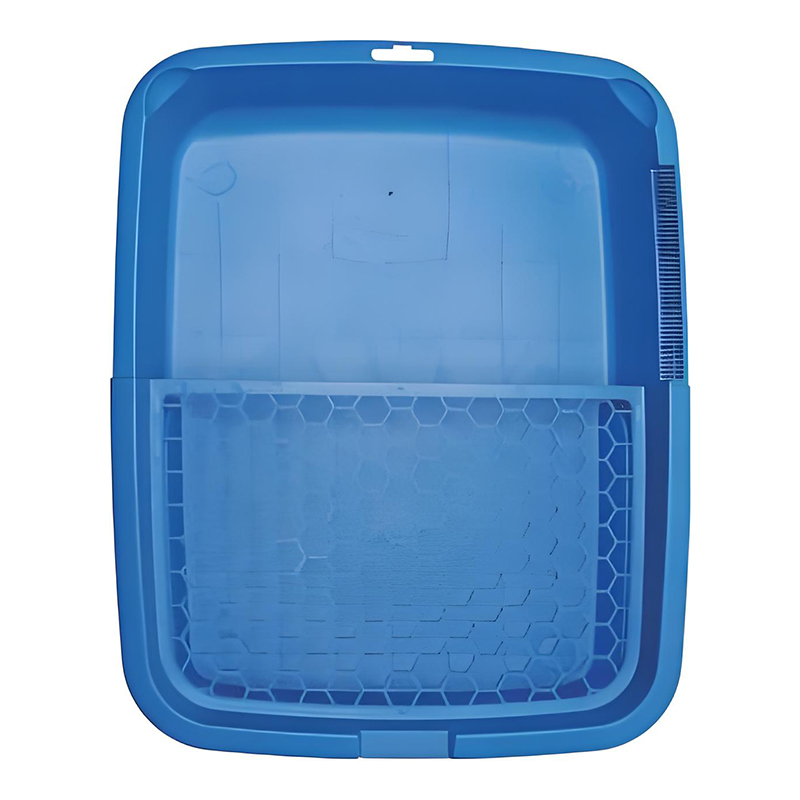
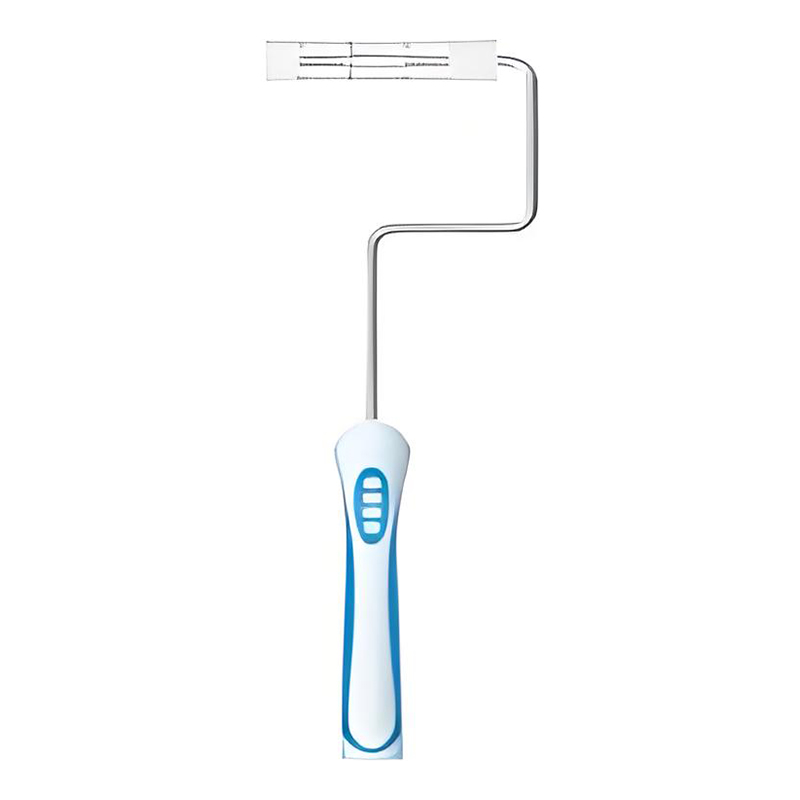
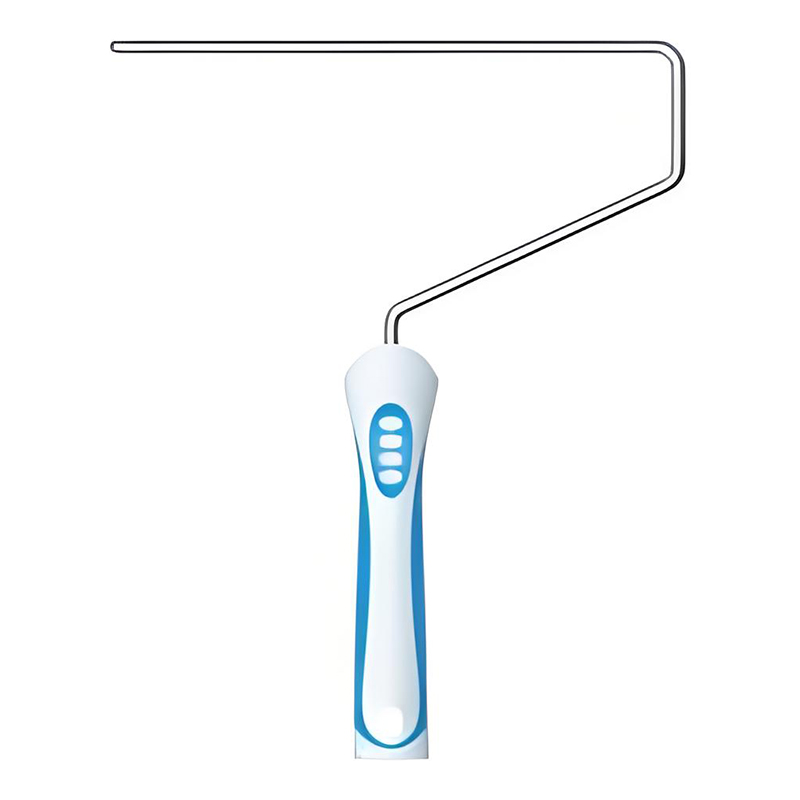
ที่ กรอบลูกกลิ้งทาสี ทำงานได้ดีที่สุดบนพื้นผิวเรียบ ความคุ้มครองสม่ำเสมอโดยใช้บัตรผ่านน้อยลง . บนพื้นผิวที่มีพื้นผิว โครงลูกกลิ้งต้องเผชิญกับความท้าทายเนื่องจากร่องและพื้นที่ไม่เรียบ ...
Read More Welcome to Ningbo Bestar Paintech Co.,Ltd.

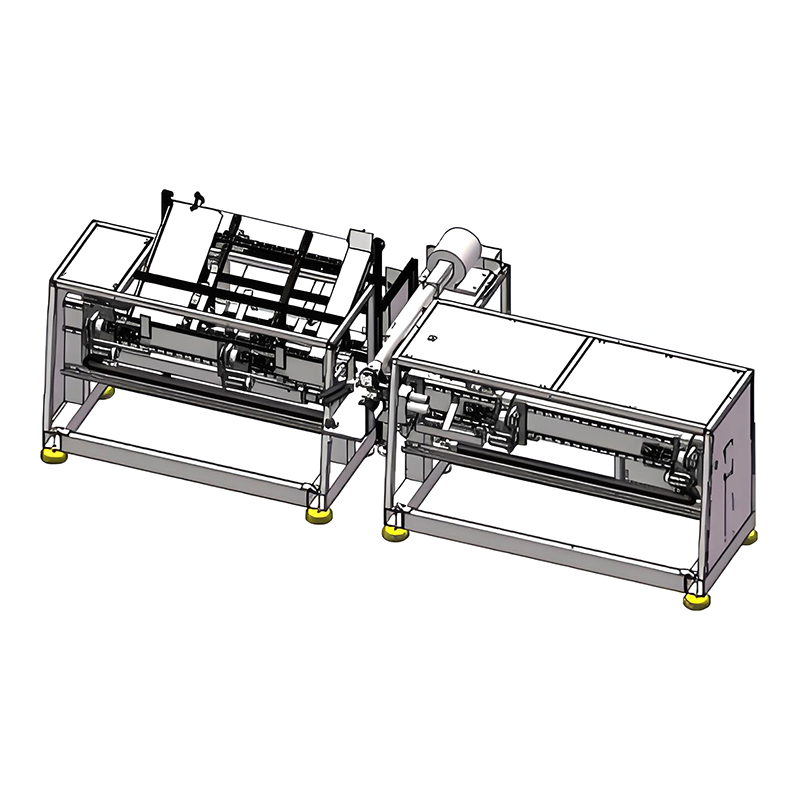
เครื่องผลิตพานิตโรลเลอร์
-
เครื่องม้วนแบบลูกกลิ้งขนาดใหญ่Big Roller Winding Machine เป็นอุปกรณ์อัตโนมัติที่ออกแบบมาสำหรับการผลิตลูกกลิ้งทาสี หมุนเวียนวัสด...
-
เครื่องตกแต่งลูกกลิ้งทาสีเครื่องตกแต่งลูกกลิ้งทาสีได้รับการออกแบบมาเพื่อการผลิตฝาครอบลูกกลิ้งทาสี โดยนำเสนอกระบวนการอัตโนม...
-
เครื่องทำโครงลูกกลิ้งเครื่องทำเฟรมได้รับการออกแบบมาเพื่อการผลิตเฟรมลูกกลิ้งทาสีแบบอัตโนมัติ โดยผสานรวมกระบวนการต่างๆ ร...
-
เครื่องซีลปลายลูกกลิ้งขนาดเล็กเครื่องซีลปลายลูกกลิ้งขนาดเล็กเป็นโซลูชันการซีลอัตโนมัติที่ออกแบบมาสำหรับลูกกลิ้งทาสีขนาดเล็ก โดย...
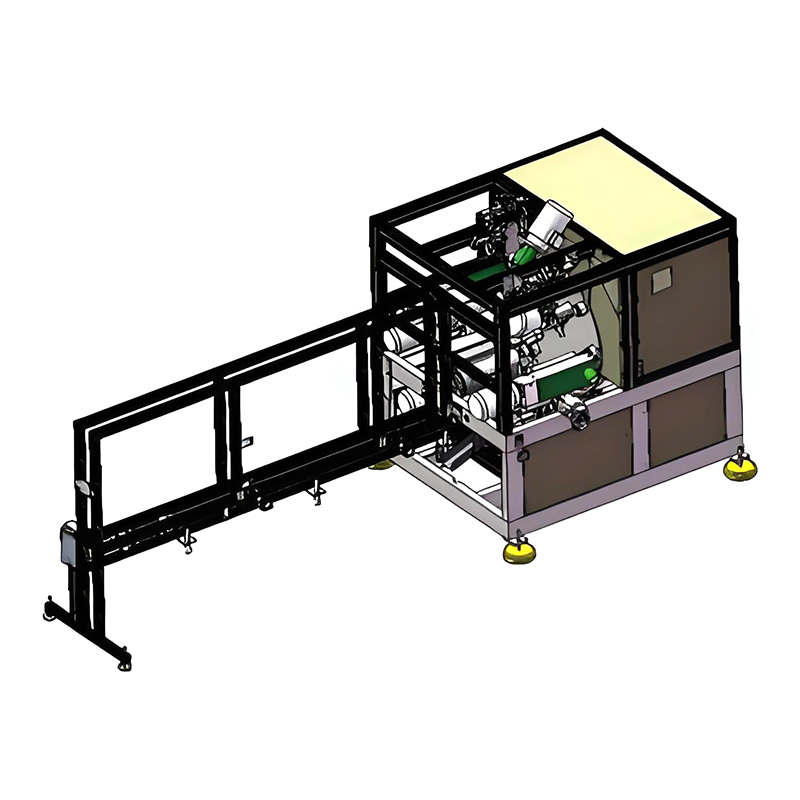
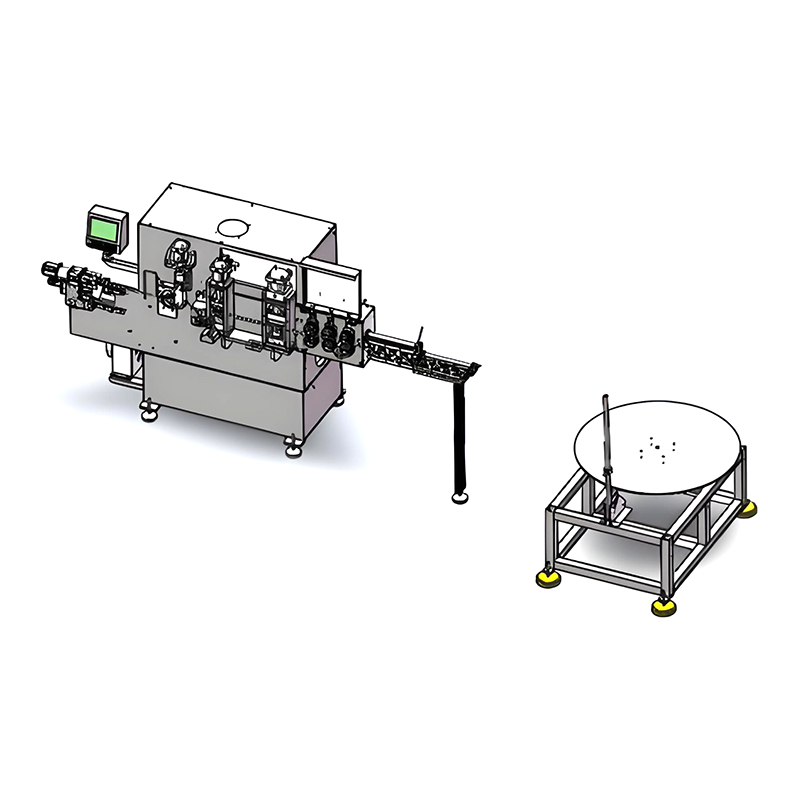
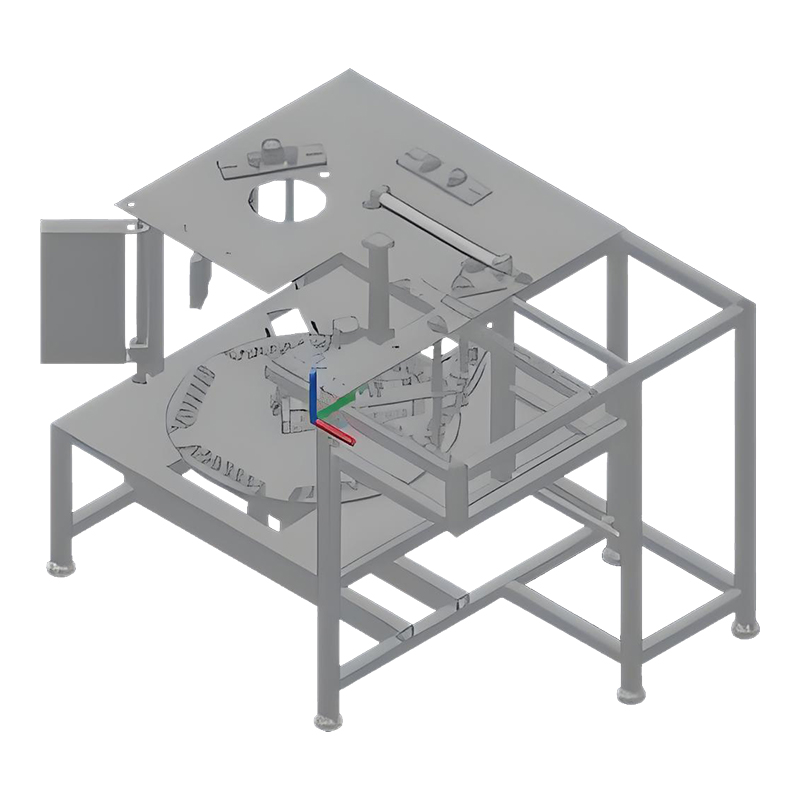
ในฐานะผู้ผลิตลูกกลิ้งทาสีมืออาชีพ เราได้พัฒนาเครื่องจักรการผลิตที่มีประสิทธิภาพสูงโดยอิสระจากประสบการณ์ตรงหลายปี ชุดอุปกรณ์ของเราครอบคลุมกระบวนการผลิตตั้งแต่ฝาครอบลูกกลิ้ง โครงลูกกลิ้ง ไปจนถึงการประกอบขั้นสุดท้าย สามารถผลิตลูกกลิ้งทาสีประเภทและข้อกำหนดได้หลากหลาย เครื่องจักรเหล่านี้มีระบบอัตโนมัติสูงและผลผลิตที่เสถียร ช่วยให้ลูกค้าสร้างสายการผลิตได้อย่างรวดเร็วในขณะเดียวกันก็รับประกันคุณภาพของผลิตภัณฑ์
เกี่ยวกับเรา
Ningbo Bestar Paintech Co.,Ltd.
Ningbo Bestar Paintech Co.,Ltd.
is a manufacturer of high-quality professional and DIY painting tools and accessories in China, located in the Ningbo Port area. Specializing in paint rollers, brushes, extension poles, and other related products, we proudly serve top global paint producers, major retailers, and private brands. With three facilities and over 350 experienced employees, we offer competitive pricing, timely delivery, and stable quality. Our unique advantage lies in our dedicated R&D team, which develops advanced automatic machines for roller frames and covers, holding over 50 patents in both products and machinery.
ข่าว
-
-
ความแตกต่างที่สำคัญก็คือการทอ ฝาครอบลูกกลิ้งทาสี ให้ผิวเรียบเนียนยิ่งขึ้น ประณีตยิ่งขึ้น และมีแนวโน้มที่จะหลุดร่วงน้อยลง ในขณะที่เป็นแบบถัก ฝาครอบลูกกลิ้งทาสี ให้การดูดซับสีที่สูงกว่า...Read More
-
เมื่อพูดถึงการตัดตามขอบ ที่ จัดการแปรงทาสี มีประสิทธิภาพเหนือกว่าเครื่องมือตัดสีด้วยความแม่นยำ ความคล่องตัว และคุณภาพการตกแต่งแบบมืออาชีพ — แต่เครื่องมือ edger มีข้อได้เปรียบที่...Read More
-
สำหรับจิตรกรมืออาชีพที่ชั่งน้ำหนักทางเลือกต่างๆ ก ถาดลูกกลิ้งทาสี เหมาะสำหรับงานรีดพื้นผิวเรียบและพื้นผิวขนาดใหญ่มากกว่า ในขณะที่ระบบกริดฝากข้อมูลทำงานได้ดีกับงานปริมาณมากและต่อ...Read More
Industry knowledge
Main Components and Functions of a Paint Roller Manufacturing Machine
As one of the core production systems in the coating tools industry, a paint roller manufacturing machine plays a decisive role in determining the efficiency, precision, and stability of roller cover production. With the continuous advancement of automation and material technology, modern paint roller manufacturing lines have evolved from manual assembly to highly integrated automatic systems.
At Ningbo Bestar Paintech Co., Ltd. , our in-house R&D team has spent years developing and refining automatic machines for paint roller frames and covers , holding over 50 patents in both product design and manufacturing equipment. These innovations ensure our products maintain stable quality, higher productivity, and consistent performance , meeting the strict demands of professional and DIY markets worldwide.
1. Fabric Cutting Unit
The first stage of roller cover production begins with the fabric cutting system . This unit precisely cuts the selected nap fabric—such as polyester, acrylic, or wool—to the required size and angle. The accuracy of this step directly influences the uniformity and density of the final roller surface.
Bestar’s advanced cutting machines employ servo-driven blades and digital control modules , ensuring clean edges and minimal fiber loss. This allows us to maintain consistent absorption and release rates of paint, which is crucial for both professional contractors and home users seeking a smooth coating experience.
2. Tube Feeding and Core Forming System
The roller core , usually made from PP, PVC, or phenolic resin, is automatically fed into the line. The core forming system positions and stabilizes each tube, preparing it for the next stages of bonding and wrapping.
At Ningbo Bestar Paintech, we use automated feeding channels with real-time monitoring sensors to reduce material waste and ensure precise alignment. The system supports different core diameters, making the line adaptable for diverse roller specifications demanded by our global customers.
3. Fabric Wrapping and Bonding Machine
This is the heart of the paint roller manufacturing machine . The wrapping and bonding unit fuses the nap fabric onto the roller core. Depending on the product type, two main methods are used— hot-melt adhesive bonding and flame or heat fusion .
Our proprietary hot-melt systems precisely control temperature, glue volume, and pressure , achieving a uniform bonding layer without distortion or wrinkling. This guarantees high adhesion strength and prevents fabric detachment during heavy use.
Bestar’s R&D team continuously improves the bonding parameters through laboratory testing, ensuring the perfect balance between production speed and bonding durability.
4. Cutting and End Trimming Unit
Once the long bonded roller tube is complete, the cutting unit divides it into multiple individual rollers. This process demands high precision to maintain consistent roller length and clean edge cuts.
Our automatic cutting machines utilize CNC-controlled blades capable of rapid, burr-free cutting. The end trimming module then refines both sides of the roller, preventing uneven paint distribution during application. Such attention to detail ensures every roller produced by Bestar Paintech meets the professional quality standards expected by global coating brands.
5. Drying, Cooling, and Quality Inspection System
After cutting, rollers undergo a drying or cooling process to stabilize adhesives and prevent deformation. Bestar’s intelligent drying tunnels are designed with energy-efficient air circulation systems , reducing power consumption while maintaining uniform heat distribution.
Following cooling, rollers pass through an automatic quality inspection system equipped with optical sensors and camera recognition . These systems check parameters such as outer diameter, surface evenness, and bonding integrity, ensuring every piece meets our strict quality benchmarks before packaging.
6. Automatic Packaging and Labeling Line
In the final stage, the rollers are automatically transferred to the packaging section , where they are bagged, labeled, and boxed according to customer specifications.
Bestar integrates customized labeling and barcode systems to enhance traceability and efficiency in warehousing and logistics. This automation not only reduces labor intensity but also ensures consistent presentation for retail and OEM clients worldwide.
The efficiency of a paint roller production line depends not only on the machinery but also on the integration between R&D, materials, and process optimization. With three facilities and over 350 skilled employees , Ningbo Bestar Paintech Co., Ltd. combines manufacturing expertise with innovative engineering to deliver turnkey roller solutions —from raw material development to finished product delivery.
Our advanced automatic paint roller manufacturing equipment not only improves production precision and reduces waste, but also supports customized solutions for different market needs. This synergy between machine innovation and product application defines Bestar’s competitive advantage.
Maintenance and Calibration Cycles for Paint Roller Manufacturing Machines
In the field of coating tool production, the paint roller manufacturing machine serves as the core of precision, stability, and productivity. Whether producing professional-grade or DIY rollers, the long-term reliability of the equipment directly determines product quality and delivery efficiency. For this reason, establishing a scientific maintenance and calibration cycle is essential for maintaining consistent performance and extending machine lifespan.
At Ningbo Bestar Paintech Co., Ltd. , our technical philosophy emphasizes precision through prevention . With over 50 patents in product and machinery design, our R&D team has not only developed high-efficiency automatic machines for roller frames and covers , but also defined a standardized maintenance system based on years of manufacturing experience. This ensures every production line under our management achieves optimal stability, high output, and uniform roller quality.
1. The Importance of Regular Maintenance
A paint roller manufacturing machine operates continuously in high-speed, high-temperature, and high-friction environments. Adhesive systems, heat fusion rollers, and cutting blades are subjected to mechanical wear and thermal stress over time. Without regular maintenance, even minor deviations can lead to fabric misalignment, bonding failure, or surface unevenness—directly affecting paint absorption and coating results.
Bestar Paintech recognizes that equipment is not merely a production tool but a key component of product competitiveness. Through proactive care and system calibration, our teams ensure machines maintain peak performance, guaranteeing that every paint roller cover produced meets the exacting standards of global coating professionals.
2. Routine Maintenance Schedule
A comprehensive maintenance cycle should combine daily inspections, weekly servicing, and quarterly overhauls. Bestar’s recommended schedule is based on international machinery management standards and refined through years of operational experience:
Daily Maintenance
- Cleaning and inspection: Remove fabric fibers, adhesive residues, and dust from cutting and wrapping zones.
- Lubrication check: Verify oil levels and apply light machine oil to moving shafts and bearings to reduce friction.
- Temperature control: Monitor the hot-melt adhesive system and heating rollers to prevent overheating or temperature fluctuation.
- Visual inspection: Ensure sensors, cutters, and guiding tracks remain free from damage or obstruction.
Weekly Maintenance
- Alignment testing: Use calibrated rulers and positioning tools to verify core feeding and wrapping accuracy.
- Tension adjustment: Inspect belt tension, chain stability, and compression rollers to maintain even pressure.
- Adhesive flow inspection: Clean and recalibrate nozzles and feeding tubes of the hot-melt system to ensure consistent glue distribution.
Monthly or Quarterly Maintenance
- Component wear assessment: Replace worn cutters, drive belts, or heater coils.
- Electrical and PLC system review: Update software parameters and recalibrate sensors.
- Vibration and noise analysis: Evaluate machine stability to prevent structural fatigue.
- Calibration verification: Compare production measurements with standard tolerances to ensure uniform roller size and surface density.
3. Calibration — The Key to Product Consistency
Beyond mechanical maintenance, precision calibration ensures the equipment operates within exact manufacturing tolerances. For a paint roller production line , calibration focuses on:
- Cutting accuracy: Guaranteeing consistent roller lengths across batches.
- Temperature calibration: Ensuring heat fusion bonding temperatures remain within ±2°C of optimal range.
- Pressure calibration: Adjusting compression rollers to achieve uniform fabric adhesion without deformation.
- Sensor and PLC calibration: Validating data feedback loops to maintain synchronization between feeding, wrapping, and trimming modules.
At Ningbo Bestar Paintech, our calibration procedures combine digital measurement tools , optical verification systems , and automated control software . These technologies work together to maintain superior consistency across high-volume production, which is crucial for OEM and private-label partners seeking reliability and repeatability.
4. Predictive Maintenance and Smart Monitoring
Bestar’s R&D division continues to integrate smart maintenance technologies into new-generation paint roller machines. By embedding vibration sensors, temperature probes, and data analytics software, we can detect performance drift before it leads to defects or unplanned shutdowns. This predictive maintenance approach not only improves productivity but also aligns with our commitment to eco-friendly and energy-efficient manufacturing .
As we strengthen our cooperation with research institutions, our future systems will further utilize AI-based diagnostic models to predict equipment wear, optimize energy consumption, and support sustainable development in the coating tool industry.
5. The Bestar Advantage
Through three advanced manufacturing facilities and over 350 skilled employees, Ningbo Bestar Paintech Co., Ltd. has built a comprehensive system that integrates equipment development, product innovation, and process optimization. Our paint roller manufacturing machines are not only designed for precision and durability but also supported by clear, practical maintenance and calibration frameworks.
By adopting these standards, Bestar ensures that every machine continues to produce rollers with stable quality, smooth texture, and consistent performance , meeting the diverse requirements of global markets—from top paint producers to major retailers and private brands.
Common Failures in Paint Roller Manufacturing Machines
In modern coating tool production, the paint roller manufacturing machine is the cornerstone of efficiency and product consistency. From cutting and bonding to trimming and inspection, each process in a roller production line depends on precise coordination and stable mechanical performance. However, like any high-speed automated system, paint roller manufacturing machines may encounter operational issues if not properly maintained or optimized. Understanding these common failures is essential to maintaining stable production, reducing downtime, and ensuring consistent quality output.
At Ningbo Bestar Paintech Co., Ltd. , we combine decades of industry experience with strong in-house R&D capability to develop automatic machines for roller frames and covers . With over 50 patents in both machinery and product design, our systems are engineered to minimize faults through precision control, intelligent automation, and robust mechanical design. Below are some of the most common issues encountered in paint roller manufacturing machines—and how Bestar’s technology effectively prevents them.
1. Fabric Wrapping Misalignment
One of the most frequent issues in roller cover production is fabric misalignment during wrapping . This occurs when the feeding tension or guiding system deviates from its standard setting, causing uneven winding and surface wrinkles on the roller cover.
Causes:
- Unbalanced fabric tension
- Sensor malfunction or poor synchronization between feed and core rotation
- Contamination on pressure rollers or guide wheels
Bestar Solution: Our automated wrapping systems use servo-driven control and high-precision tension sensors to ensure perfect alignment between nap fabric and the roller core. Real-time feedback correction automatically adjusts rotation speed and tension balance, effectively eliminating surface irregularities and material waste.
2. Weak Adhesion or Fabric Detachment
In the bonding stage, insufficient adhesion strength can cause fabric peeling or delamination during use. This issue often stems from inaccurate temperature, glue flow, or pressure control in the hot-melt adhesive system.
Causes:
- Temperature fluctuation in the heating zone
- Uneven glue application or blocked nozzles
- Improper roller pressure calibration
Bestar Solution: Bestar’s hot-melt bonding units are equipped with closed-loop temperature control and precision glue metering pumps . By maintaining adhesive temperature within ±2°C and applying uniform pressure, we guarantee consistent bonding integrity. This ensures long-term durability, even for heavy-duty professional rollers used in industrial coating applications.
3. Cutting Inaccuracy and Uneven Roller Lengths
Another common fault in paint roller production lines is dimensional deviation during cutting. Even slight differences in roller length or trimming quality can lead to rejection in bulk production.
Causes:
- Blade wear or poor alignment
- Unstable feed rate during tube cutting
- Calibration drift in the PLC system
Bestar Solution: Our CNC-controlled cutting machines employ digital positioning systems and self-calibrating sensors , achieving micron-level accuracy. Routine blade wear detection and automated alignment reduce human error, ensuring every roller has a smooth, uniform edge and consistent length—ideal for large-scale OEM and retail production.
4. Core Deformation or Slippage
The core tube , typically made of PP or PVC, may deform or slip during the wrapping or bonding process, especially under high heat or uneven clamping force. This can cause eccentric rollers and unstable paint absorption behavior.
Causes:
- Overheating in bonding area
- Excessive compression pressure
- Poor-quality core material or inconsistent diameter
Bestar Solution: Through optimized mechanical design and adaptive pressure control , Bestar’s machines automatically adjust clamping force based on real-time feedback. The heating zones are designed to distribute temperature evenly, preventing core warping. Combined with strict core material selection and dimensional inspection, this ensures every roller maintains perfect roundness and balance.
5. Sensor and PLC Control Errors
Modern paint roller manufacturing relies heavily on automated control systems. When sensors or PLC units malfunction, the entire line may halt or produce off-spec rollers.
Causes:
- Sensor contamination by fabric fibers or adhesives
- Electrical interference or PLC software instability
- Data communication delay between modules
Bestar Solution: Ningbo Bestar Paintech employs industrial-grade PLC systems with intelligent fault diagnosis and communication redundancy. Each critical module includes self-cleaning sensors and error detection protocols , allowing the equipment to self-correct or alert operators before faults escalate. Our R&D team also provides firmware updates to enhance long-term reliability and software stability.
6. Vibration, Noise, and Mechanical Fatigue
Continuous operation may lead to bearing wear, vibration, or abnormal noise , which, if ignored, can develop into major mechanical failures.
Causes:
- Bearing wear or poor lubrication
- Misalignment of rotating shafts
- Structural resonance due to long-term high-speed operation
Bestar Solution: Our machines feature balanced mechanical structures and low-vibration drive systems designed through finite element analysis (FEA). Maintenance access points and automatic lubrication channels make servicing quick and efficient. This extends equipment lifespan while maintaining quiet, smooth operation—ideal for large-scale continuous production environments.
7. Electrical Overheating or Power Instability
Excessive heat buildup or voltage fluctuation may impact performance or cause shutdowns.
Causes:
- Overloaded circuits or inadequate cooling
- Power supply inconsistency
- Poor grounding or outdated wiring
Bestar Solution: All Bestar machinery is designed with integrated overload protection , efficient ventilation , and stable power modules . Each unit undergoes strict electrical testing before shipment, ensuring global compatibility and safe long-term operation.
At Ningbo Bestar Paintech Co., Ltd. , we understand that downtime equals loss in productivity. That’s why our machines are engineered with predictive maintenance systems , modular components , and remote diagnostic support —helping clients quickly identify and resolve issues

Enter your information for exclusive offers and latest news.
Product
Contact Info
-
 No.266, Lanhai 2nd Road, เขตพัฒนาเศรษฐกิจ Binhai, Cixi 315311, หนิงโป, เจ้อเจียง, จีน
-
 +86-574-86117676
-
 E-mail: [email protected]
ลิขสิทธิ์ © Ningbo Bestar Paintech Co.,Ltd. Rights Reserved.
